 Client portal


 News
News
Lander & Rogers advises AxFlow Oceania on its acquisition of a majority interest in Dowdens Group
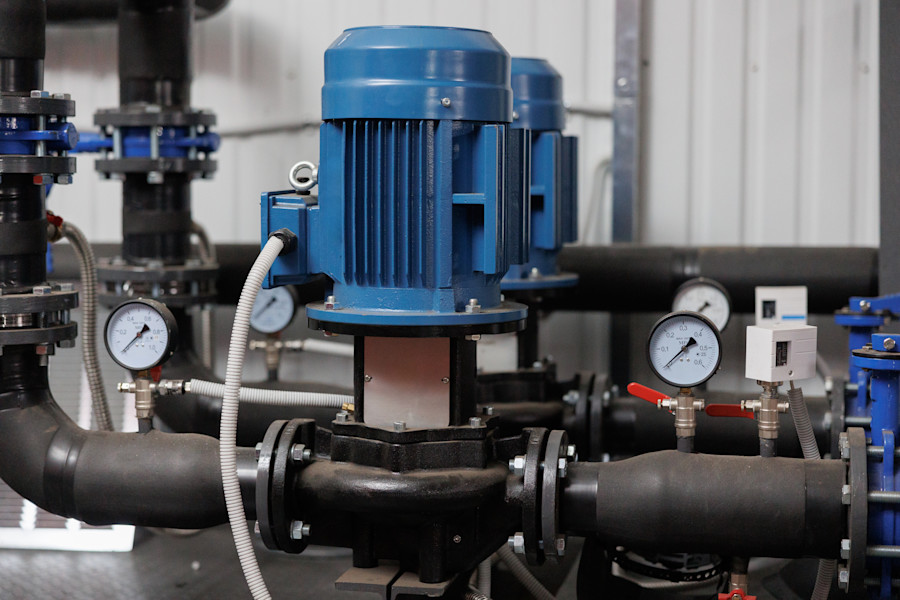
Lander & Rogers has advised AxFlow Oceania, part of the AxFlow Group, on its largest investment in Oceania, involving the acquisition of a majority interest in Dowdens Group, a leading provider of fluid handling solutions based in Mackay, Queensland.
AxFlow Group is part of Axel Johnson International, a privately owned Swedish industrial group operating globally. AxFlow specialises in the marketing, distribution and provision of complete sales engineering services for high-quality fluid-handling equipment. It serves customers across a range of industries, including food, chemical and petrochemical, pharmaceuticals, power generation, environmental, facilities management and wastewater.
The acquisition formed part of a complex, multi-stage transaction. Lander & Rogers provided strategic advice on the corporate and asset restructure of Dowdens Group, working alongside external tax and accounting advisers. It also managed all legal aspects of the acquisition, including due diligence and the preparation and negotiation of the key transaction documents.
The Lander & Rogers team was led by Corporate and M&A partner Deanna Constable, with support from lawyer Marlow Bakous, working closely with the firm’s Real Estate and Workplace & Relations teams.
Deal insight: managing pre-completion restructures
Transactions of this nature often involve a pre-completion restructure, where assets, employees and key contracts are consolidated into a single entity ahead of the sale.
These restructures are critical to ensuring the buyer acquires a complete and operational business. However, they can also introduce complexity, particularly in relation to tax, stamp duty and the allocation of value across the transaction. Legal risks may also arise if assets or employees are not properly transferred into the target entity.
Another key consideration is the flow of funds. Following the restructure, the target entity may be required to pay for transferred assets and meet associated stamp duty liabilities, with payments flowing to multiple parties. This requires careful coordination between the restructure and the main transaction to ensure the target is not left with unintended restructure liabilities.
As a result, buyers must engage closely with the restructure process to ensure the entity they acquire holds all necessary assets and that risks are appropriately managed through the transaction documentation.
Key contacts




Share


